What is a Landing Page?

A website is an excellent platform for introducing your brand, but comprehensive sites can occasionally overwhelm visitors with too many options. When you need users to take one specific action, a dedicated landing page is the most effective solution.
Landing pages achieve significantly higher conversion rates than standard web pages because they focus on a single, primary Call to Action (CTA). By eliminating distractions, they streamline the user’s decision-making process. Whether your campaign targets lead generation, event registrations, or direct sales, a landing page can be tailored precisely to your marketing objectives.
Landing Page vs. Home Page: Key Differences
A home page serves as a digital front door. It features a broad layout with navigation menus, multiple internal links, and various CTAs designed to encourage exploration across your entire website.
Conversely, a landing page is built with singular intent. It strips away unnecessary navigation and distracting content to keep the user’s attention fixed entirely on the conversion goal.
| Feature | Landing Pages | Home Pages |
| Primary Goal | Single conversion focus (e.g., lead capture, sale) | General brand introduction and browsing |
| Target Audience | A highly specific campaign segment | Broad, diverse audience types |
| Navigation | Minimal or none (keeps users focused) | Full header/footer menus required |
| Traffic Source | Targeted PPC ads, email campaigns, social ads | Direct search, organic SEO, referral links |
Major Benefits of Using Landing Pages
- Expanded Audience Reach: Because landing pages are highly flexible, you can create multiple variations tailored to different buyer personas, ensuring your messaging resonates deeply with each segment.
- Boosted Conversion Rates: By removing the “noise” of a standard website, a landing page guides users toward a single action—whether that’s downloading an ebook, signing up for a trial, or completing a purchase.
- Measurable Strategy Testing: Landing pages are ideal for A/B testing. You can easily experiment with different headlines, layouts, or video elements to see exactly what drives the highest engagement.
- Efficient Data Collection: Instead of forcing users through a multi-step website journey, a landing page cuts straight to the point, gathering essential customer insights and contact details via a simplified form.
- Enhanced SEO Visibility: Optimizing your landing pages with targeted keywords, high-value content, and strong search intent helps search engines rank your campaigns higher, driving valuable organic traffic.
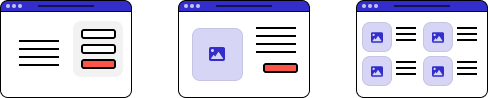
12 Types of Landing Pages for Your Marketing Funnel
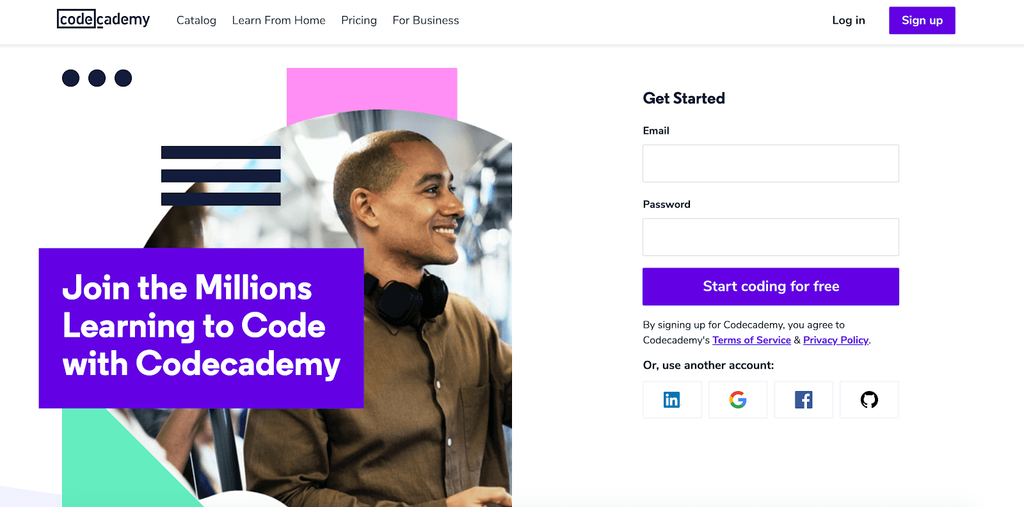
1. Lead Capture Page
Designed specifically for top-of-funnel marketing, these pages collect user information (like names, emails, and job titles) by offering a valuable resource or newsletter in return.
2. Click-Through Page
Acting as an intermediary between an ad and a shopping cart, a click-through page uses persuasive copy and a bold CTA to prime users before sending them directly into the transaction phase.
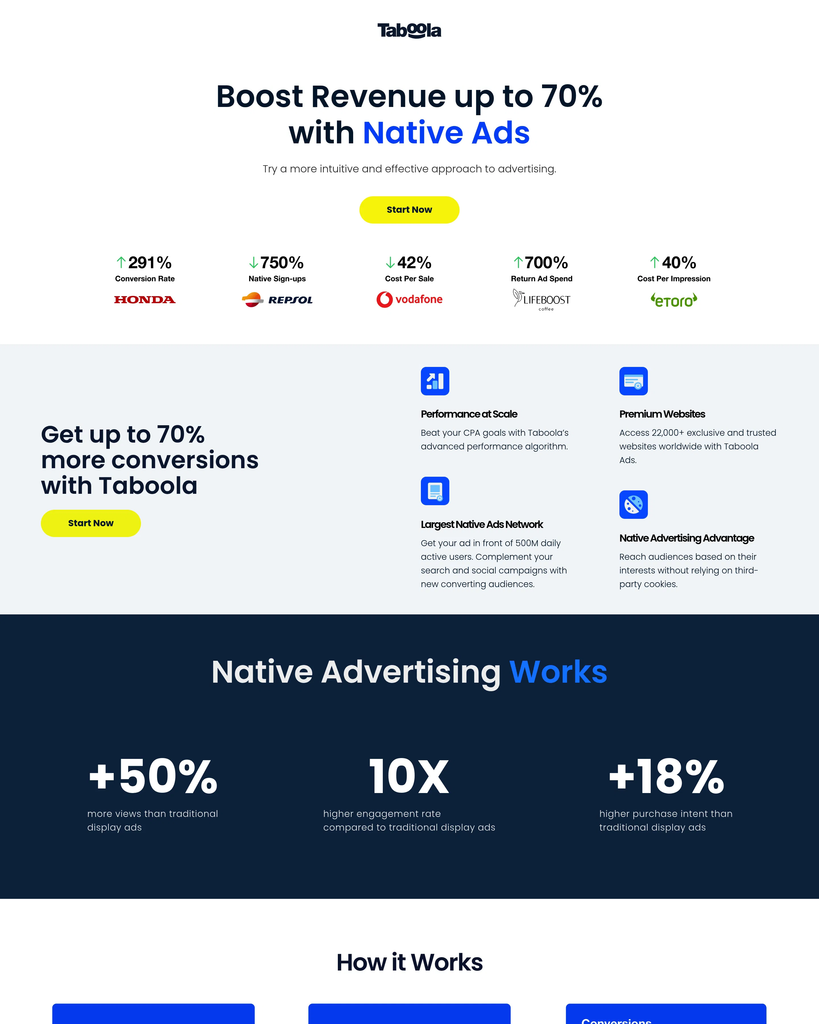
3. Advertorial Page
This page blends editorial content with a marketing pitch. It reads like an educational blog post or news article but naturally transitions into an irresistible product offer backed by customer testimonials.
4. Splash Page
A minimal page that appears before a user accesses your main site content. It is typically used for quick announcements, age verification, language selection, or immediate, time-sensitive promotions.
5. Squeeze Page
A short, direct landing page designed to capture a single piece of data (usually an email address). It relies on a high-value incentive, such as a discount code or free trial, with zero external distractions.
6. Sales Page
Built for bottom-of-funnel conversions, a sales page presents an undeniable pitch for a specific product or service, using strong headlines and social proof to secure an immediate purchase.
7. Product Page
More detailed than a standard sales page, a dedicated product landing page highlights specific features, comprehensive specifications, and technical benefits while maintaining a clear path to purchase.
8. Payment Page
A focused checkout page that minimizes cart abandonment. By stripping away distractions during the transaction phase, it ensures a smooth, secure, and fast payment process.
9. Unsubscribe Page
Aside from meeting legal consumer protection standards, a well-optimized unsubscribe page confirms a user’s departure while offering options to adjust email frequency or provide feedback on their experience.
10. Video Page
Leveraging the power of visual media, this page centers around a high-quality video (like a product demo or customer case study) to explain complex concepts quickly and drive higher conversions.
11. Event Page
Whether you are hosting a webinar or an in-person conference, an event landing page displays dates, schedules, speaker lineups, and direct registration CTAs like “Reserve Your Spot.”
12. Thank You Page
The final touchpoint after a conversion. Beyond showing appreciation, this page keeps the relationship going by suggesting related articles, offering social media links, or introducing secondary resources.
6 Steps to Build an Effective Landing Page
Step 1: Define Clear, Measurable Goals
Before designing, clarify exactly what you want to achieve. Use the SMART framework to set targets—replace vague ideas like “get more sales” with precise objectives like “increase Q1 registrations for Product X by 10%.”
Step 2: Segment Your Target Audience
Tailor your page to a specific group of users. By understanding their unique pain points, browsing habits, and motivations, you can craft copy that speaks directly to their needs.
Step 3: Lead with a Unique Selling Proposition (USP)
Your USP is the core reason a customer should choose you over a competitor. Make sure your headline or subheadline clearly states the unique value, quality, or convenience your brand provides.
Step 4: Craft a Compelling Call to Action (CTA)
Your CTA button should align perfectly with user intent. Use action-oriented phrases like “Start Your Free Trial” or “Get the Guide” rather than generic words like “Submit.”
Step 5: Optimize for Mobile Responsibility
With the majority of web traffic coming from mobile devices, ensure your landing page loads quickly, scales beautifully, and remains fully functional across all screen sizes.
Step 6: Test, Analyze, and Refine
A great landing page relies on continuous optimization. Use A/B testing to track metrics like bounce rates and conversion figures, allowing data to guide your copy and design updates.
Core Elements of a Successful Landing Page
To maximize your conversion rates, ensure your page effectively balances these essential elements:
- The Headline: Needs to be clear, attention-grabbing, and instantly explain the core benefit of your offer.
- The Body Copy: Keep it concise, scannable, and focused heavily on benefits rather than just listing features.
- The Visuals: Use relevant, high-quality images or videos that add context and don’t slow down page load times.
- Social Proof: Build immediate trust by showcasing real customer reviews, testimonials, case studies, or trust badges.
- The Conversion Form: Keep form fields to an absolute minimum—only ask for the data you truly need to follow up.
Real-World Inspiration
Muzzle: Show, Don’t Just Tell
The app company Muzzle uses a brilliant, minimal landing page to demonstrate its notification-silencing software. As users arrive on the page, an intentionally annoying stream of embarrassing mock notifications appears on screen, perfectly illustrating the exact problem the app solves next to a clear download button.
Squarespace: Irresistible Value Props
Squarespace drives conversions by paring clean web previews with a punchy value proposition: “Designed to Sell.” To eliminate friction, they sweeten the offer with an extended 14-day free trial and a direct promo code right on the page.
Isabelle Grace: Interactive Gamification
Jewelry brand Isabelle Grace boosts lead generation by integrating an interactive “spin-the-wheel” game on their landing page. Visitors gladly exchange their email addresses for a chance to win exclusive discounts, creating a fun and rewarding entry into the marketing funnel.